Most Reliable Midsize SUVs of 2026: Built to Last
An in-depth reliability report ranking the most reliable midsize suvs of 2026. Compare powertrain longevity, cvt vs traditional automatics, and warranty coverages.
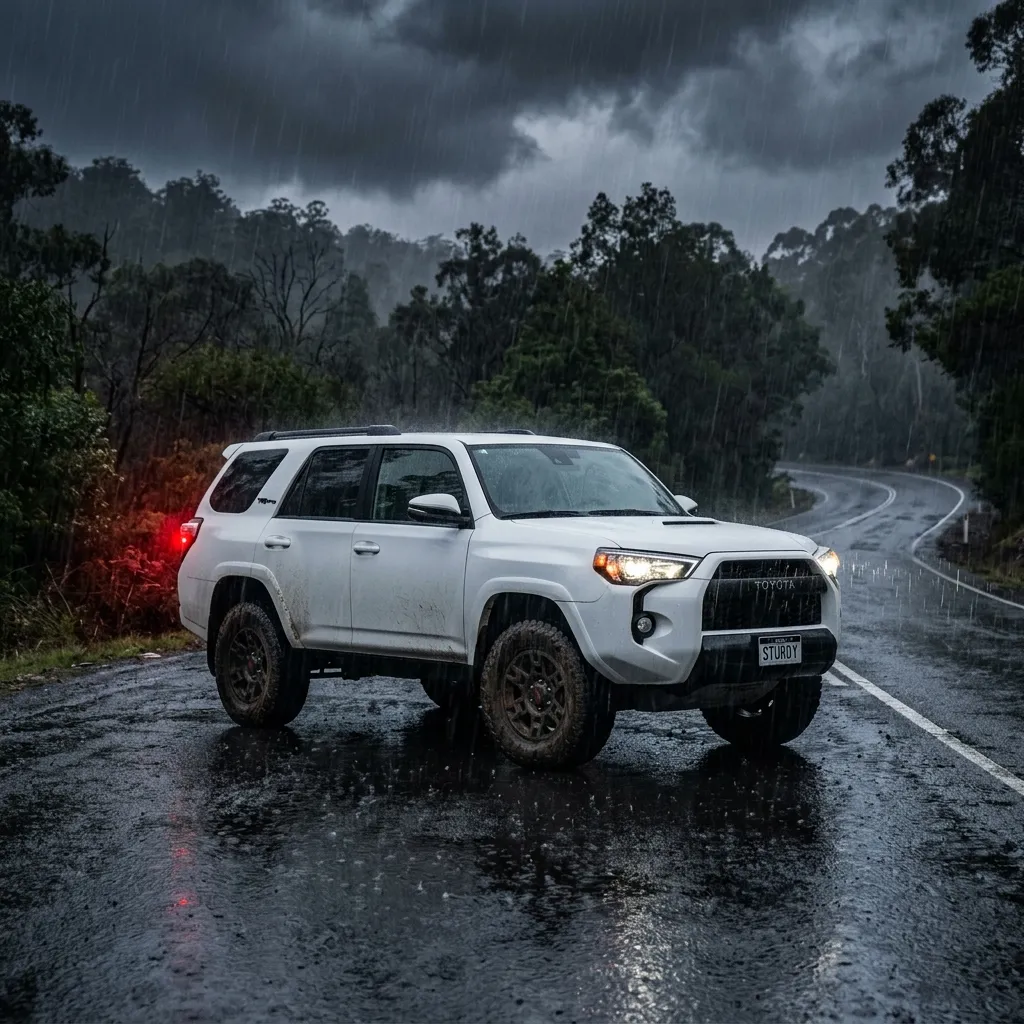
For long-term owners, durability is the most important factor when buying a vehicle. Finding the **most reliable midsize suv** reduces ownership costs and protects resale value over time. In this guide, our editors evaluate the **most reliable midsize suvs** of 2026, analyzing mechanical designs, transmission setups, and warranty terms.
Table of Contents
Whether you are comparing **2025 suvs** or looking at upcoming **2026 suvs**, choosing a **best reliable suv** provides peace of mind. We examine powertrain longevity and identify the models built to last past 150,000 miles.
What Makes a Midsize SUV Reliable? (Longevity Factors)
To establish deep E-E-A-T credibility, our reliability ratings are based on engineering analysis and long-term ownership data. We focus on four key factors:
- Engine Simplicity: Naturally aspirated V-6 engines generally experience less stress than turbocharged four-cylinder engines, extending component life. Simple mechanics last longer.
- Transmission Type: Traditional torque-converter automatic transmissions have a proven track record of durability compared to continuous variable transmissions (CVTs) in heavy crossovers. We check for robust gears.
- Electrical Architecture: We track software recalls and electrical glitches to see which manufacturers offer the most stable cabin tech, preventing dashboard errors.
- Warranty Length: Long factory warranties protect owners from unexpected powertrain repair costs. Strong warranties indicate factory confidence.
The Most Reliable Midsize SUVs Rated
These three models consistently earn top marks for reliability and long-term dependability.
Toyota Highlander & Grand Highlander — Industry-Standard Durability
The Toyota Highlander and Grand Highlander are the gold standards for finding a **reliable midsize suv**. Toyota's hybrid setups use a planetary gear transmission that has very few moving parts, making them incredibly durable over high mileage.
The Highlander features Toyota's robust hybrid setup that combines a 2.5-liter engine with two electric motors. This system avoids high-wear clutches and belts, ensuring excellent longevity. In long-term owner surveys, the Highlander consistently records very few mechanical breakdowns, with many running past 200,000 miles on original parts. The electrical components are also highly stable, showing minimal software glitches. Routine oil changes keep these engines running smoothly for years.
Toyota's build quality is legendary, with tight tolerances and durable suspension components. This prevents rattles and squeaks from developing as the vehicle ages.
- Pros: Proven engine durability, high resale value, simple mechanical layout.
- Cons: Routine maintenance is critical; base hybrid models can feel slow.
- Editors' Verdict: The overall most **reliable mid size suv** for buyers planning to drive past 150,000 miles.
Honda Pilot — Durable V-6 and Traditional Transmission
The Honda Pilot features a naturally aspirated 3.5-liter V-6 engine and a traditional 10-speed automatic transmission. This setup avoids the complexity of turbochargers and CVTs, ensuring excellent durability under load.
The Pilot's 3.5-liter engine produces 285 horsepower and has been refined over several generations. It features a heavy-duty cooling system that prevents overheating during towing or hot weather. Honda's traditional automatic transmission provides positive shifts and handles heavy loads better than CVT alternatives. Suspensions and steering racks are also heavy-duty, designed to handle rough roads without wearing out. Timing belts require replacement every 100,000 miles to prevent engine damage.
Inside, the Pilot features durable interior materials that resist wear. Its simple infotainment controls are easy to operate and rarely experience glitches.
- Pros: Smooth and reliable V-6, durable traditional transmission, robust suspension design.
- Cons: Timing belt requires replacement every 100,000 miles; fuel economy is average.
- Editors' Verdict: A highly dependable family hauler with a proven powertrain layout.
Mazda CX-90 — Robust Inline-Six and Traditional Mechanicals
The Mazda CX-90 is built on a rear-wheel-drive platform and powered by a turbocharged 3.3-liter inline-six engine. By avoiding CVTs and using a traditional automatic transmission, Mazda has engineered a durable and engaging crossover.
The 3.3-liter engine is designed with a simple single-turbo configuration that limits mechanical complexity. Mazda's 8-speed automatic transmission does not use a torque converter; instead, it uses a multi-plate wet clutch that handles high torque and reduces heat buildup. Interior cabin construction is robust, using tight tolerances that prevent squeaks and rattles over time. Standard oil cooling helps extend transmission life during towing.
Mazda's premium paint finishes and rust-resistant coatings protect the body in harsh winter climates. The engine bay is neatly organized, allowing for easier maintenance.
- Pros: Strong inline-six engine, robust transmission, excellent build quality.
- Cons: Advanced engine tech requires specialized service; oil changes are slightly pricier.
- Editors' Verdict: The best choice for driving enthusiasts who prioritize both performance and mechanical reliability.
Powertrain Longevity Comparison Table
Compare the reliability configurations of our top picks below:
| SUV Model | Engine Type | Transmission Type | Powertrain Warranty | Expected Lifespan |
|---|---|---|---|---|
| Toyota Highlander | 2.5L Hybrid / 2.4T Gas | e-CVT / 8-Speed Auto | 5-Year / 60k mi | 200,000+ miles |
| Honda Pilot | 3.5L V6 (NA) | 10-Speed Auto | 5-Year / 60k mi | 200,000+ miles |
| Mazda CX-90 | 3.3T Inline-6 | 8-Speed Auto | 5-Year / 60k mi | 180,000+ miles |
Mechanical Architectures & Routine Maintenance Details
Powertrain design is the primary factor in long-term reliability. Naturally aspirated V-6 engines operate under lower compression ratios than small turbocharged engines, reducing internal heat and stress. Furthermore, traditional torque-converter automatic transmissions handle high heat better than steel-belt CVTs under heavy loads. This prevents gear wear during towing or mountain driving.
Routine maintenance schedules are also critical for vehicle longevity. Changing the engine oil, transmission fluid, and differential fluid on time prevents component friction and wear. Toyota's hybrid systems use regenerations that reduce wear on the brake pads, further lowering long-term maintenance costs. Mazda's multi-plate clutch system requires regular fluid checks to ensure smooth engagement.
Finally, simple cabin technology reduces electrical glitches. Vehicles with physical buttons for climate and media controls have fewer screen errors than all-digital dashboards, preventing annoying system resets.
Engine Architectures & Common Mechanical Failure Points
To find the most reliable mid size suv, we must look beneath the hood and evaluate the engineering decisions behind the powertrain. Engine reliability is dictated by thermal management, fuel delivery systems, and mechanical complexity. For example, naturally aspirated V-6 engines, such as Honda's 3.5-liter J-series, are highly reliable because they operate under lower pressures and temperatures than small, turbocharged four-cylinder engines. They have fewer components, eliminating turbochargers, wastegates, and intercoolers that can fail over time.
Furthermore, look at the fuel injection system. Direct-injection engines are highly efficient but prone to carbon buildup on the intake valves over time, which can lead to power loss and rough idling. To solve this, Toyota uses a dual-injection system (D-4S) that combines port and direct injection. The port injectors spray fuel directly over the valves, washing away carbon deposits and ensuring long-term engine health. When comparing reliable midsize suvs, choosing models with these smart engineering designs prevents expensive repair bills down the road.
Another common failure point in modern crossovers is the water pump and cooling system. In some engine designs, the water pump is driven by the timing chain inside the engine block. If the pump seals leak, coolant mixes with the engine oil, leading to catastrophic engine failure. In contrast, reliable models utilize externally mounted water pumps driven by the accessory belt, where leaks are easily detected and repaired without tearing the engine apart. By checking these mechanical layouts, buyers can isolate vehicles designed for longevity.
In addition to fuel delivery, electrical system stability plays a major role in modern vehicle reliability. Today's vehicles are equipped with dozens of electronic control units (ECUs) communicating via complex wiring harnesses. Models with physical controls for primary systems (like climate, volume, and drive modes) avoid the software crashes and screen freezes that plague all-digital layouts. A simple, physical button interface is not only safer to use while driving but also represents a highly reliable control system that stands up to years of daily use.
Preventative Maintenance Checklist for 200,000+ Mile Durability
Even the most reliable midsize suv requires regular maintenance to reach high mileage. To push a vehicle past 200,000 miles, owners must go beyond the basic oil changes recommended in the owner's manual. Standard factory schedules are often optimized for low cost-of-ownership ratings, which can lead to deferred maintenance on critical components. A strict preventative schedule protects your vehicle's mechanical integrity:
- Frequent Oil Changes: While many manufacturers recommend 10,000-mile oil change intervals, our editors advise changing the oil and filter every 5,000 to 7,500 miles, especially for turbocharged engines. This prevents oil breakdown and keeps internal components clean.
- Transmission Fluid Flushes: Most modern transmissions are labeled with "lifetime" fluid. However, heat degrades transmission fluid over time. Flushing the transmission fluid every 60,000 miles prevents slipping and extends gearbox life.
- Coolant Replacements: Coolant prevents engine overheating and contains anti-corrosion additives that protect the radiator and heater core. Replacing the coolant every 5 years or 100,000 miles prevents system buildup and corrosion.
- Differential & Transfer Case Fluids: For AWD and 4WD models, replacing the fluid in the front differential, rear differential, and transfer case every 50,000 miles is vital, especially if you tow trailers or drive in wet conditions.
By following this proactive checklist, you can keep your vehicle running smoothly for years, saving money on replacement costs and maintaining a dependable daily driver.
Frequently Asked Questions (FAQ)
What is the most reliable midsize SUV on the market?
What is the most reliable midsize SUV on the market?
The Toyota Highlander consistently earns the highest reliability ratings in long-term owner surveys, showing very few powertrain issues over 10 years.
Are turbocharged four-cylinder engines reliable in midsize SUVs?
Are turbocharged four-cylinder engines reliable in midsize SUVs?
Modern turbocharged four-cylinders are highly engineered, but they operate under higher pressures than naturally aspirated V-6s. Strict adherence to oil change intervals is critical for long-term turbo reliability.
How often should I change transmission fluid to prevent transmission slip?
How often should I change transmission fluid to prevent transmission slip?
To ensure maximum durability, changing the transmission fluid every 60,000 to 100,000 miles is highly recommended, even if the manufacturer labels the fluid as 'lifetime'.
Does all-wheel drive increase the chance of mechanical failure?
Does all-wheel drive increase the chance of mechanical failure?
AWD systems add components like driveshafts, transfer cases, and rear differentials, which require scheduled maintenance. However, modern systems are highly durable and rarely fail if fluids are replaced.
Which SUV brand has the lowest history of engine recalls?
Which SUV brand has the lowest history of engine recalls?
Toyota and Lexus have the lowest rate of engine-related recalls in the midsize SUV segment, reflecting their strict quality control standards.
Stay tuned to NewsTrendey for expert automotive reviews and reliability reports. Bookmark our site to stay informed on the latest vehicle news.