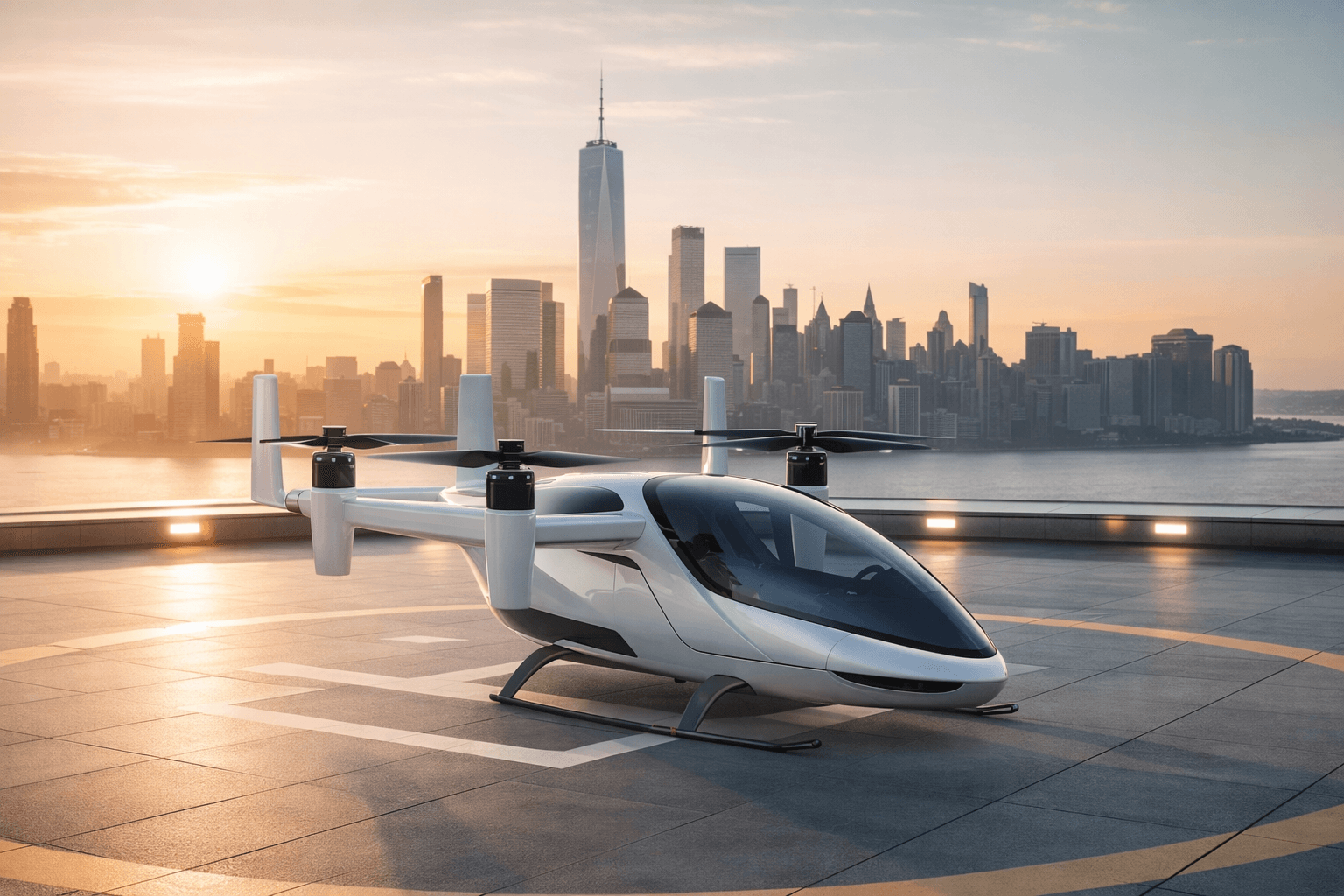
The idea of owning a flying car has hovered between fantasy and frustration for decades. That gap just narrowed fast. A flying car for sale $190000 is now available for preorder, and it comes in the form of the Helix personal eVTOL aircraft.
This is not a concept render or a speculative prototype. The Helix is a real, electric vertical takeoff and landing vehicle designed for individual ownership. It targets early adopters who want personal air mobility without airline schedules, traffic jams, or sci-fi excuses.
Let’s walk through what the Helix actually offers, who it is for, and whether a $190000 flying car makes sense in the real world.
What Is the Helix Personal eVTOL Aircraft
The Helix is a single-seat electric vertical takeoff and landing aircraft. It uses multiple rotors to lift straight up, hover, and land in tight spaces. No runway required. No wings folding mid-flight. No dramatic movie explosions either.
Unlike experimental air taxis meant for fleets, Helix focuses on personal ownership. Think of it less like a commercial aircraft and more like a high-tech personal mobility device.
This shift matters. It places the Helix in the same mindset as early electric cars, personal watercraft, and advanced drones. Ambitious, expensive, but very real.
Why a Flying Car for Sale at $190000 Makes Sense
At first glance, $190000 sounds wild. Then context steps in.
Luxury electric vehicles already cross six figures. High-end boats and small aircraft routinely exceed this price. Even advanced trucks now push premium pricing, as seen in vehicles like the Car and Driver 10 Best 2026 lineup
The Helix combines aviation engineering, battery technology, flight software, and regulatory compliance into one package. That is not cheap to build or certify.
For early adopters, the value is not just transportation. It is access, time savings, and being part of a new mobility category.
Design and Engineering Approach
Helix keeps things intentionally simple.
The aircraft features a compact frame, exposed rotor arms, and a lightweight structure optimized for vertical lift. There are no unnecessary luxury features. Every design decision favors safety, stability, and control.
The cockpit layout focuses on intuitive operation rather than traditional pilot complexity. This aligns with the broader trend toward simplifying advanced machines, similar to how modern EVs reduced mechanical clutter.
If you follow emerging technology trends like those discussed in what 5G UC ultra capacity actually enables, you will notice the same philosophy. Complexity under the hood. Simplicity for the user.
How Helix Handles Takeoff, Landing, and Control
Vertical takeoff and landing is the heart of Helix.
Multiple electric rotors distribute lift evenly. This reduces stress on individual components and increases redundancy. If one system underperforms, others compensate.
Landing works the same way. Controlled descent. Precise positioning. Minimal footprint.
Control systems rely on flight stabilization software similar to what keeps advanced drones steady in rough conditions. The pilot provides direction. The system handles balance and correction.
This is not autopilot freedom. It is assisted flight. A key distinction for safety and regulation.
Do You Need a Pilot License to Fly It
Yes. Owning a flying car does not erase aviation rules.
The Helix is designed to operate under existing regulatory frameworks. That means pilots must meet licensing and training requirements appropriate to the aircraft category.
Regulatory oversight comes from authorities like the Federal Aviation Administration
https://www.faa.gov/
This is not a loophole vehicle. It is built to integrate with airspace rules rather than ignore them.
Range, Charging, and Operational Reality
Electric flight still faces physical limits. Batteries weigh more than fuel for the same energy output. Helix addresses this with short-range mission design.
The aircraft focuses on local hops rather than cross-country trips. Think short commutes, private land access, or controlled airspace travel.
Charging follows electric aircraft protocols rather than consumer EV expectations. Owners should expect structured charging routines, not casual plug-and-go convenience.
This mirrors the reality seen across electric mobility. Ambitious. Powerful. Still evolving.
Who the Helix Is Really For
This flying car is not for everyone. That is intentional.
Helix targets:
• Tech enthusiasts
• Aviation hobbyists
• Early adopters
• High-income individuals interested in future mobility
It shares a mindset with buyers who follow experimental tech closely, like next-generation vehicles covered in the Ram TRX 2026 V8 return discussion. Owning Helix is as much about curiosity as convenience.
Safety and Redundancy Considerations
Safety is where skepticism usually lives. Helix confronts that head-on.
Redundant rotors. Battery management systems. Flight stabilization software. Structural testing. These are standard requirements, not marketing extras.
The aircraft is designed around controlled environments rather than chaotic urban chaos. That distinction matters.
It is not an airborne rideshare taxi weaving between skyscrapers. It is a carefully regulated personal aircraft.
For broader aviation context, Wikipedia offers a solid overview of electric vertical takeoff and landing aircraft
Preorder Details and Delivery Expectations
Helix is currently available for preorder at approximately $190000.
Preorder status does not mean instant delivery. It reflects production sequencing, certification timelines, and regulatory approvals.
This mirrors how advanced products across industries roll out. From electric trucks to performance cars, early buyers accept waiting periods in exchange for early access.
If you have followed long-cycle product launches like the Chevy Impala 2026 comeback the pattern feels familiar.
Flying Cars and the Bigger Mobility Picture
Helix is not just a product. It is a signal.
Personal air mobility is shifting from theory to hardware. Slowly. Carefully. Expensively.
The same way EVs reshaped expectations over a decade, eVTOL aircraft will move through skepticism, refinement, and gradual acceptance.
No hype cycle lasts forever. Practical execution decides survival.
Helix feels grounded in that reality. Which is ironic, considering it flies.
FAQ Section
What is the price of the Helix flying car
The Helix personal eVTOL is priced at approximately $190000 for preorder, positioning it among premium personal aircraft rather than consumer vehicles.
Do you need a pilot license to fly it
Yes. Operators must meet aviation licensing and training requirements under applicable regulations.
How far can it fly
Helix is designed for short-range flights. Exact range depends on operating conditions and regulatory limits.
How long does it take to charge
Charging time depends on battery capacity and infrastructure. It follows electric aircraft standards rather than consumer EV timelines.
When will it be delivered
Delivery timelines depend on production schedules, certification progress, and regulatory approval phases.